

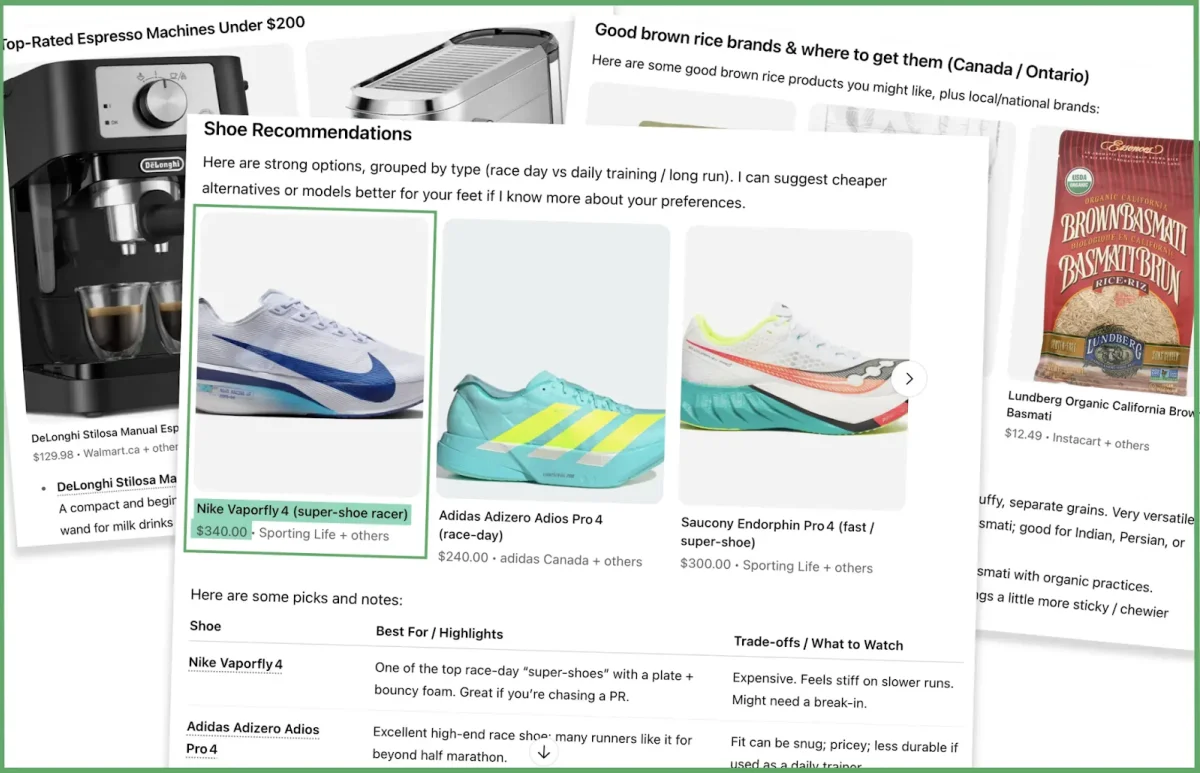
For the past two decades, online shopping has followed the same basic journey: search for a product, browse links, compare options, then decide what to buy. AI is rewriting that entire process.
How has online shopping changed?
Instead of navigating websites and product pages, consumers can now simply ask a question and receive a curated answer. In many cases, the AI will recommend specific products, summarize reviews, explain trade-offs, and guide the user toward a decision, all before they ever visit a brand’s website.
In this new environment, brands are no longer competing just for search rankings or ad placements. They are competing to become the product an AI chooses to recommend.
This shift has major implications. Visibility in AI answers depends on factors such as trusted sources, structured content, brand reputation, and how often your brand appears across the wider web. In other words, discoverability is no longer just about SEO, it’s about AI search optimisation.
The brands adapting now will gain a powerful advantage: they will become the sources that AI systems learn to trust and recommend.
“Gemini is able to bring a more nuanced understanding of purchase intent that makes it more powerful than ever before.” Sophie Neary, Managing Director of Retail at Google.
What’s the best AI tool for online shopping?
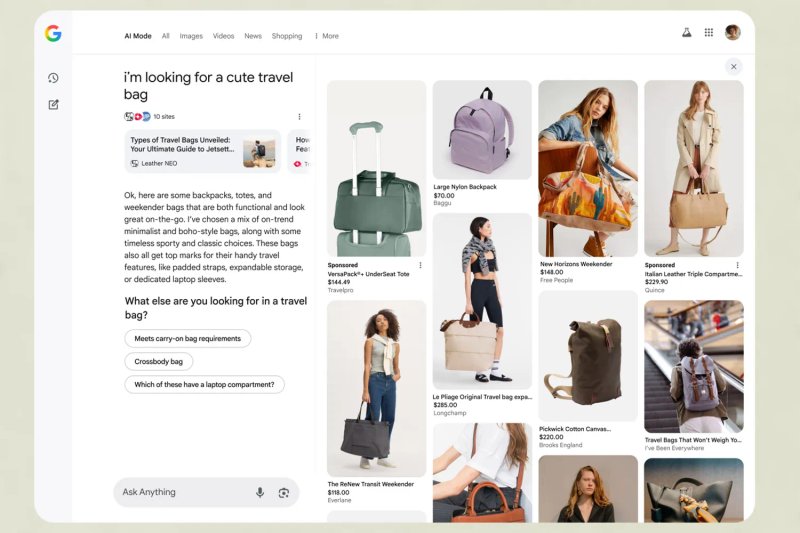
Two Large Language Models currently dominate AI-driven product discovery: Google AI Mode and ChatGPT.
While Google has long experimented with AI-powered shopping, OpenAI launched a built-in shopping assistant within ChatGPT on 25 November 2025, just ahead of Black Friday and the holiday season.
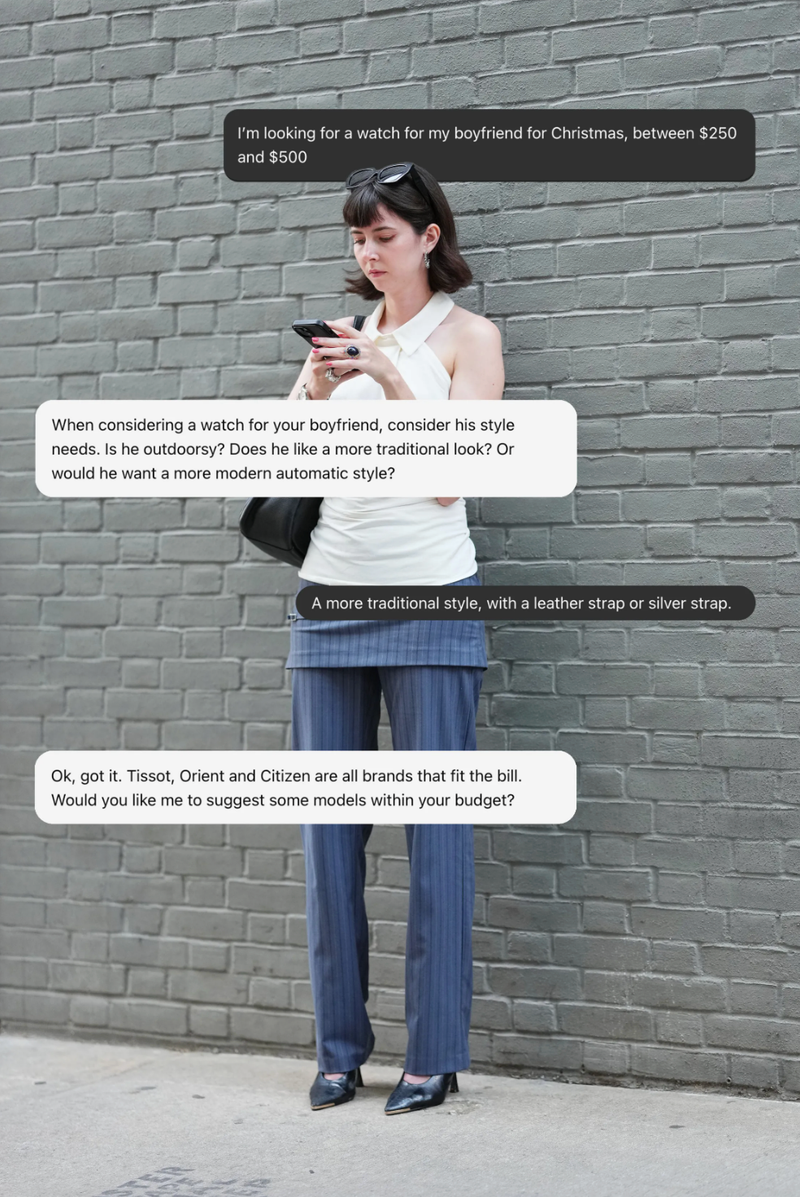
The feature transforms product discovery into a guided conversation, helping users refine their preferences and receive personalized recommendations.
Although conversational shopping was previously possible through standard chat interactions, this new feature introduces a dedicated shopping experience designed specifically for product discovery.
One key advantage for ChatGPT is that its shopping feature remains ad-free (for now), which has helped build trust with users.
Key e-commerce updates
AI developments are happening so quickly that many major shifts in online shopping are going almost unnoticed. Over the past year, several changes have quietly reshaped the e-commerce landscape.
- Perplexity AI partnered with PayPal, enabling U.S. users to purchase products directly within the platform.
- Google introduced agentic checkout within AI Mode, allowing users to track prices, set budget and size preferences, and confirm purchases with a single tap.
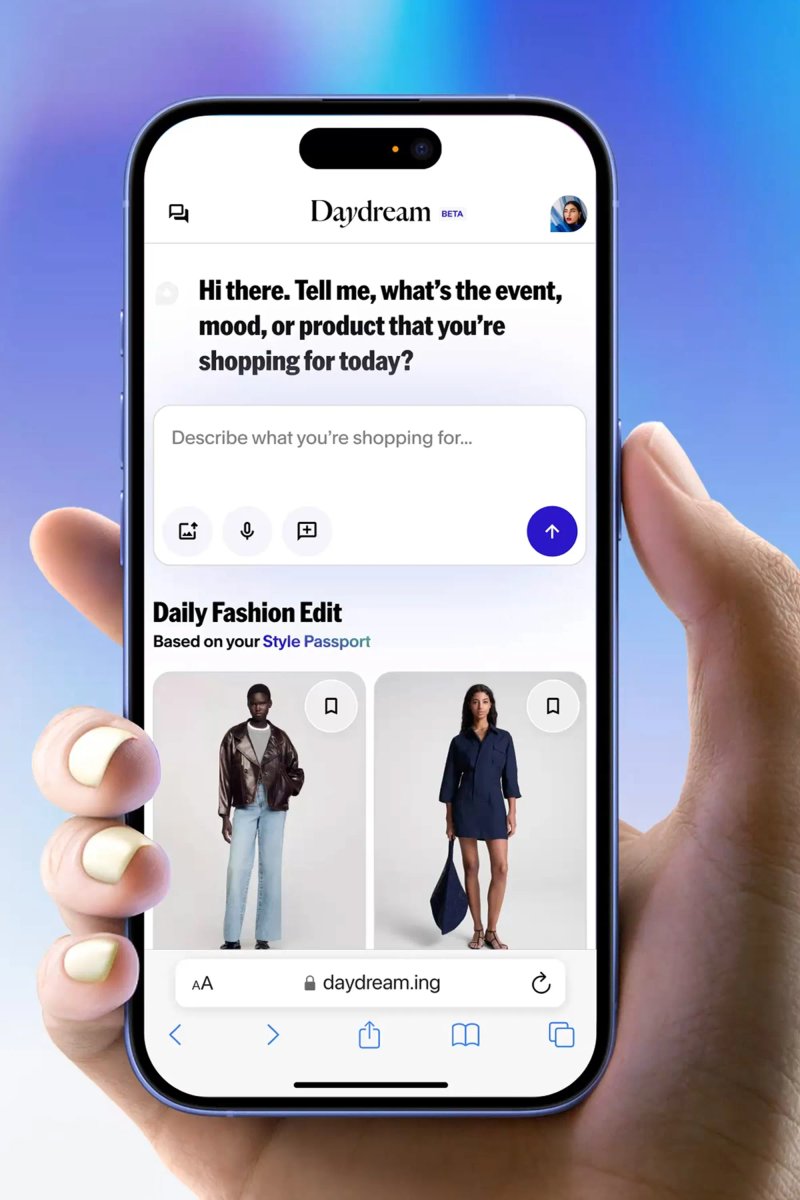
- Daydream launched what it calls the first chat-based AI shopping agent for fashion, releasing an iPhone app dedicated to conversational shopping.
- Pinterest is exploring agentic commerce through a voice-enabled AI shopping assistant that recommends products based on saved pins and collections.
“That personalized stylist conversation has not been possible to date, and suddenly it is.” Julie Bornstein, CEO of Daydream.
Why brands should care
Embracing AI-powered shopping can increase conversion rates for brands. By combining discovery, comparison, and decision-making into a single interaction, AI removes many of the traditional friction points where consumers abandon their purchases.
However, this shift also introduces a challenge, especially for visually driven industries like fashion and beauty.
If AI search engines begin controlling more of the buying journey, brands risk losing control over the carefully curated shopping experiences they have spent years developing.
At the same time, traditional e-commerce journeys are far from perfect. Slow websites, complicated navigation, forced account creation, and lengthy checkout processes are all common causes of cart abandonment. These are exactly the pain points that AI-driven commerce is designed to solve.
So how can brands adapt to this new AI-powered shopping landscape without losing visibility?
“AI search will be the new front door for shopping, but luxury websites aren’t going away.” Mac King, Co-founder of Domaine.
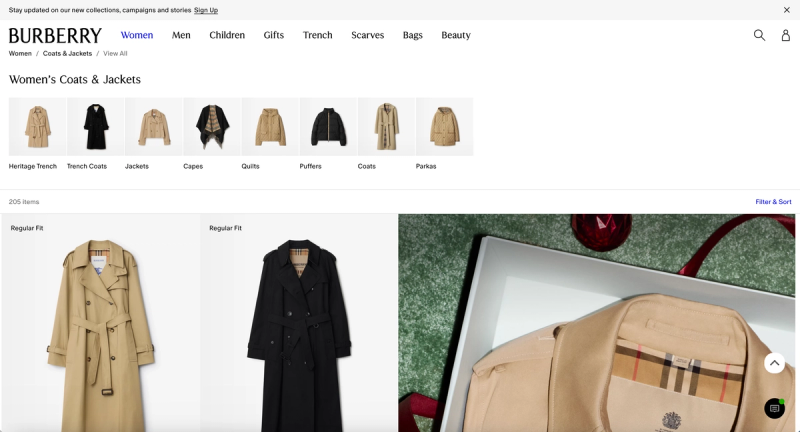
How brands can optimize for AI-led buyer journeys
To stay visible and competitive, brands must begin optimizing their digital presence for AI systems such as ChatGPT and Google’s AI search experiences.
Here are key actions brands should take today.
1. Keep your Google Business Profile updated
This sounds simple, but many companies overlook it. Large language models sometimes rely heavily on business profile data when generating responses.
2. Prepare for in-AI checkout
- Submit your brand to OpenAI’s merchant program (currently U.S. only)
- Connect PayPal with Perplexity to enable in-platform purchasing
3. Ensure AI bots can access your website
- Check that your robots.txt file is not blocking AI crawlers
- Consider adding an llms.txt file to guide AI bots
4. Improve your website structure
Clear navigation, logical categories, descriptive product titles, and structured data (Schema.org) help AI systems understand your content.
5. Optimize product visuals
Include alt text and detailed image descriptions so AI systems can interpret product imagery more effectively.
6. Publish where AI reads
AI systems frequently reference platforms like Reddit, Wikipedia, Quora, and review sites. Participating in these ecosystems improves visibility.
7. Expand your digital footprint
Invest in content across social platforms, YouTube, blogs, and editorial coverage to increase your brand’s presence across the web.
8. Create AI-friendly content
Listicles, comparisons, and guides are formats AI systems frequently reference.
For example:
- “The 5 Best Laptops for College Students in 2025”
- “Top Sustainable Fashion Brands to Watch”
These types of articles increase the chances that AI will recommend your brand during product discovery conversations.
How LunaLift helps brands stay visible in AI search
Understanding how AI speaks about your brand, and if you get recommended where/how you should, has become more important than traditional search rankings. AI shapes discovery before a visit to your website.
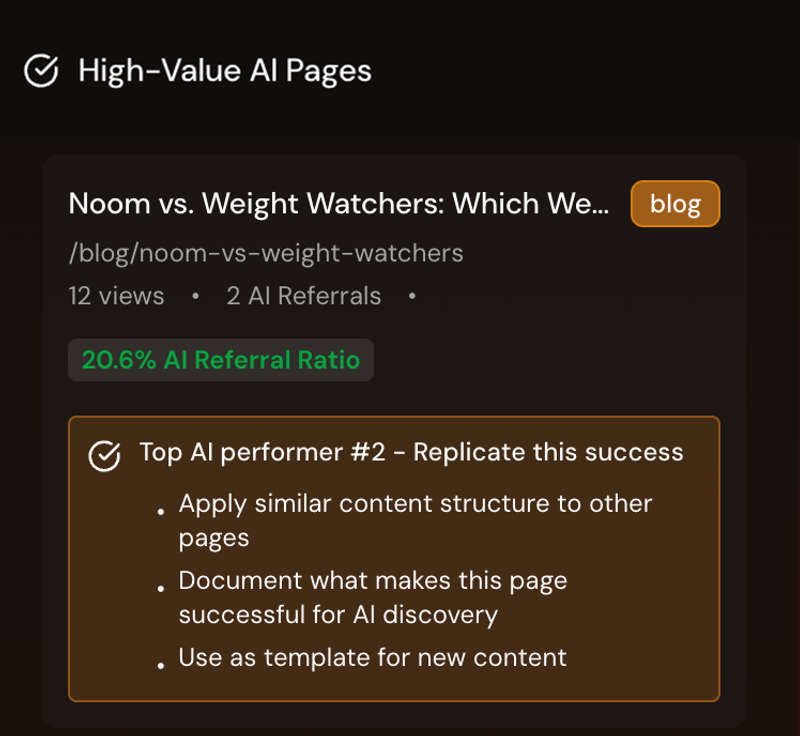
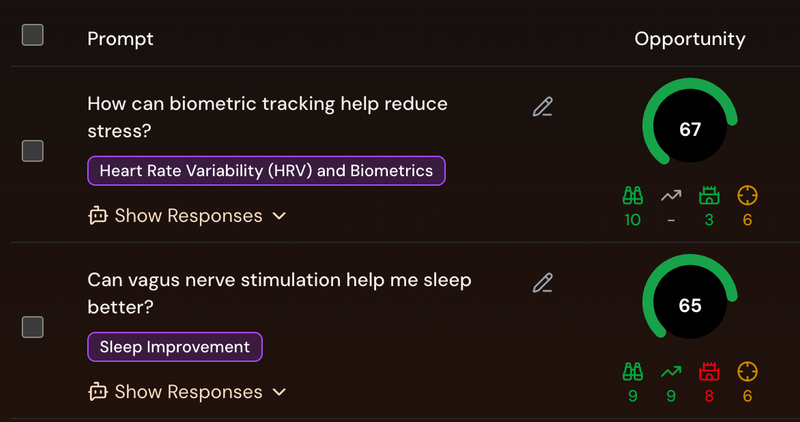
LunaLift helps companies monitor and improve their visibility and sentiment across all the global Large Language Models. Our platform identifies real prompts potential customers are using, highlights content gaps, optimises your website for AI readability, and tracks how often your brand is recommended across AI engines.
By turning AI search behaviour into clear insights and actions, LunaLift can help your brand stay discoverable in the rapidly changing e-commerce landscape.
Curious how your brand appears in AI search?
Book a demo on this page to see how your website performs across platforms like ChatGPT, Google AI, and Perplexity.
Thanks for reading!