

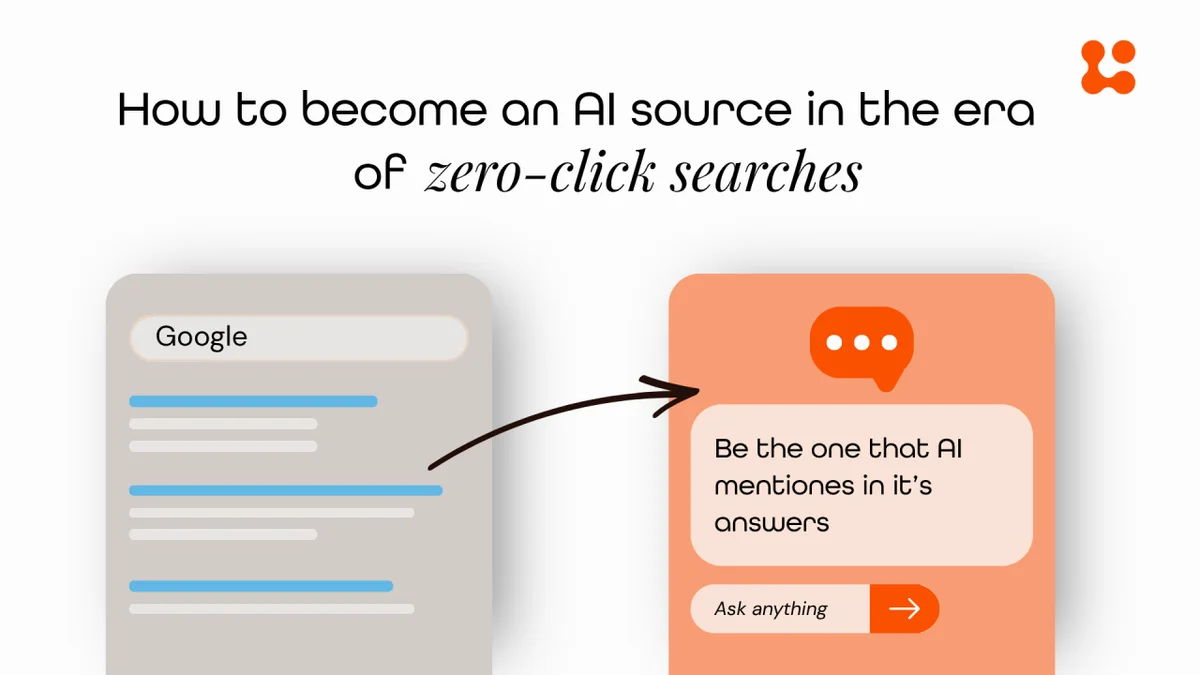
Your website isn’t broken - search has changed.
In 2026, people aren’t clicking through endless blue links on Google anymore, especially beyond page one. Instead, they’re asking AI and getting instant answers.
Welcome to the age of zero-click search, where the focus has shifted from ranking on Google to being selected and recommended by AI systems like ChatGPT, Perplexity, and Claude.
While traditional click-through traffic is declining, AI-generated search introduces a new layer of distribution - one that can build deeper trust, authority, and visibility for your brand.

What is zero-click search?
Zero-click search occurs when platforms like Google’s AI Overviews, ChatGPT, or Perplexity provide direct answers using existing web content, without requiring the user to visit the source site.
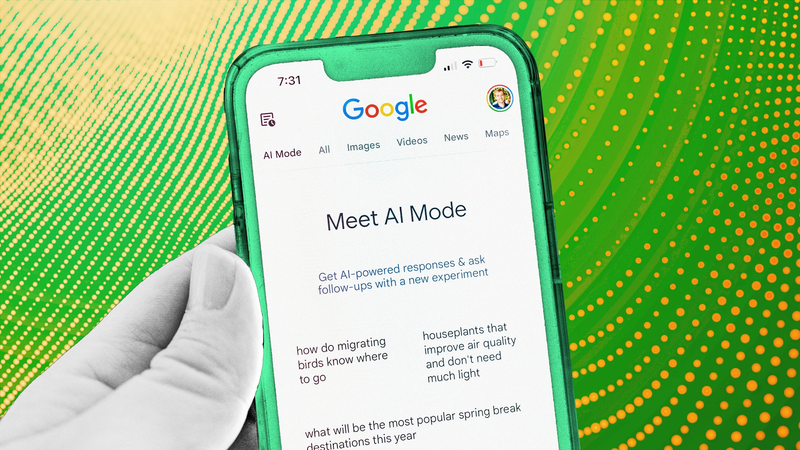
Can click-through traffic come from AI search?
Yes, but it works differently.
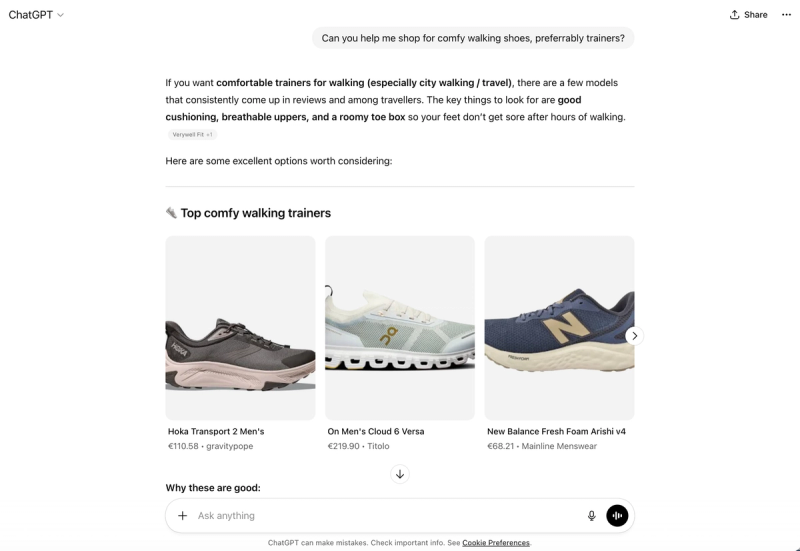
AI systems like ChatGPT still access and evaluate web content to determine the best answer to a user’s submitted query. When your content is used, it can be cited and linked directly within the AI’s response, creating a pathway from the AI interface to your website.
While overall search traffic may decline as AI answers replace traditional clicks from Google, this new form of citation-driven traffic is typically higher intent. Users who click through have already been warmed up by the AI, meaning they arrive more informed and further along in their decision-making process.
Even when your content is summarised rather than clicked, your brand still appears as the trusted source behind the answer, reinforcing credibility, authority, and visibility.
Discoverability is no longer just about search engines; it’s about being present inside AI.
How do LLMs discover and cite brands?
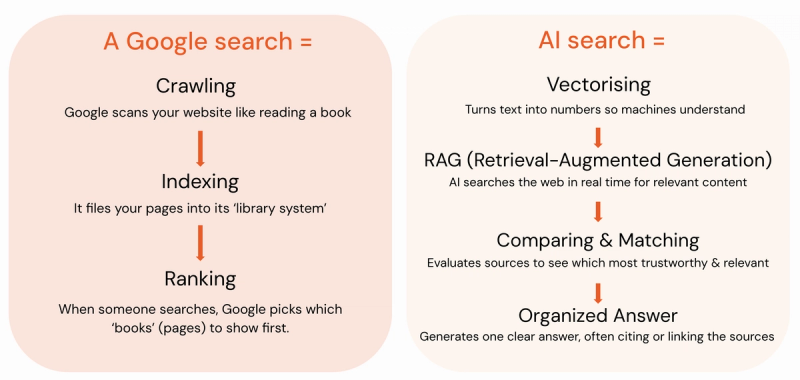
Here, we break down how LLMs perform a web search. The key difference in how a traditional search engine like Google and AI performs a web search is the RAG (retrieval-augmented-generation).
This process combines retrieval (finding the best sources) with generation (producing a response).
In practical terms, this means your content isn’t just competing to rank*,* it’s competing to be selected, interpreted, and cited within an answer.
For your brand to be discovered and referenced, LLMs evaluate signals such as:
- Relevance → Does your content directly answer the query?
- Clarity → Is the information structured, specific, and easy to extract?
- Consistency → Are your brand, products, and expertise described similarly across the web?
- Authority → Is your content supported by credible sources, mentions, or links?
This is where semantic consistency becomes critical.
On-site & off-site discovery
Your website, content, and external presence (PR, backlinks and social signals) all need to align around the same topics, language, and positioning. LLMs are not just scanning pages; they are building a coherent understanding of your brand across multiple sources.
How to optimize your website for AI search results
SEO hasn’t disappeared, but it has evolved.
Answer Engine Optimisation (AEO), or Generative Engine Optimisation, introduces three key areas of focus:
1. Content that builds E-E-A-T (experience, expertise, authority, and trust)
2. A distributed brand presence across trusted platforms and communities
3. Strong technical foundations that make your content machine-readable
Content optimization
What may feel like an “old” strategy, posting consistent, high-quality content on a blog, is now more important than ever. LLMs rely on your content to understand:
- what you do
- who you serve
- and when to recommend you
At LunaLift, we analyse thousands of citations used in AI-generated answers. From this, we’ve identified clear patterns in how high-performing content is structured.
We’ve distilled this into a simple, one-page visual blueprint you can follow to improve your chances of being cited.
Download the AI Citation Blueprint →
Technical optimization
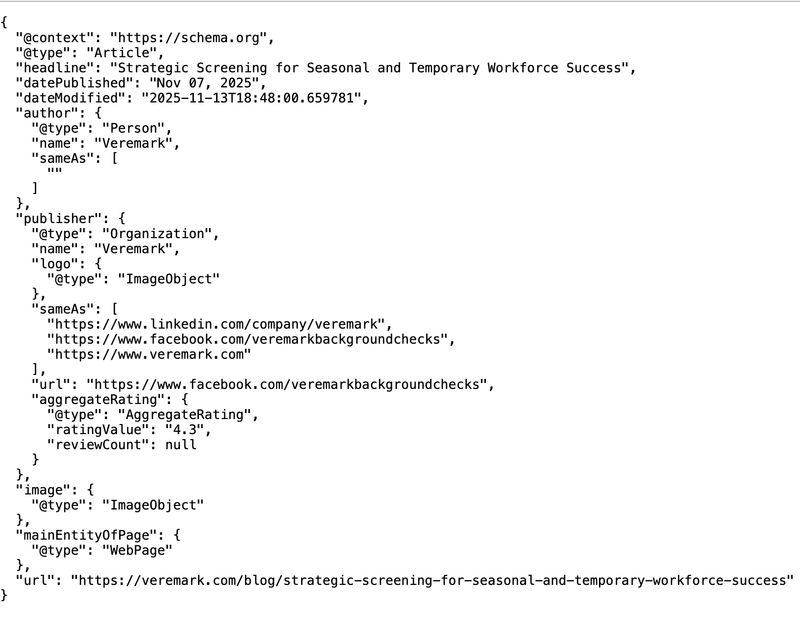
LLMs don’t read websites the way humans do; they interpret structured data.
This includes:
- schema markup
- clean, crawlable content
- consistent data formatting
Without this layer, your content may be:
- misunderstood
- skipped
- or excluded entirely
Structuring your content “under the hood” ensures AI systems can retrieve and trust your information quickly and accurately.
With LunaLift, your content is automatically structured and optimised for AI retrieval, removing the need for manual implementation.
How to write for both humans and AI
The goal hasn’t changed, but your strategy may need to.
Write for humans, but instead of focusing on what your company does, focus on:
- the problems you solve
- the outcomes you create
- the context your audience cares about
AI prioritises content that clearly maps problems → solutions → outcomes.
At the same time, technical structuring (like schema) ensures AI can interpret your content correctly.
Before hitting publish, check your content against these AEO quality standards:
Download the AEO Content Quality Checklist →
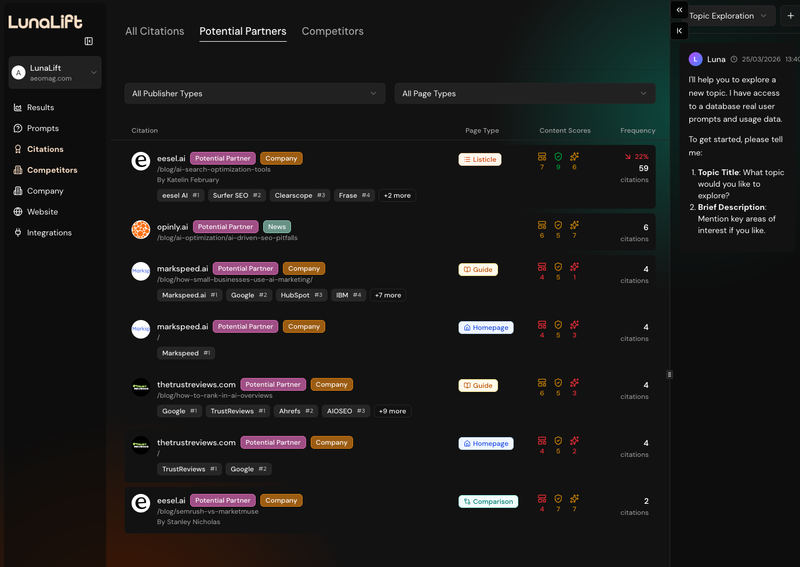
Beyond your website, authority is built across the wider web.
This includes:
- industry publications
- comparison platforms
- interviews and collaborations
- data-driven content and reports
These external signals reinforce your credibility and increase your likelihood of being cited.
LunaLift identifies the most relevant third-party opportunities and platforms for your brand, helping you build authority where it matters.
AI isn’t waiting, and neither should you!
Search has entered a zero‑click era: people ask AI and get answers without clicking links. Brands now win by being selected and cited inside tools like ChatGPT, Perplexity, and Google’s AI experiences, so content needs to be clear, credible, and consistent across the web to get picked up.
Want to know if AI is actually citing you?
Track yours and your competitors’ AI citations and visibility with LunaLift and see where (and how) your brand shows up in AI answers.